Decide who gets through each door, and when, without handing out keys. We plan and install access control for businesses and homes, starting with a look at your building's layout.
Since2012Established in 2012, installing and servicing ever since
Google4.3From 17 reviews, October 2026
Offices2Brighouse and Harrogate, working nationwide
Control who comes in, without handing out keys
Access control and door entry replace keys with credentials you can add, change or cancel. When someone leaves or loses a fob, you remove it from the system instead of changing the locks.
The system also keeps a record of who went through which door and when. That log helps with security audits, incident investigations and compliance checks.
Every job starts with a look at your building’s layout, so the readers go on the doors that matter and nowhere else.
One door, seen as a system
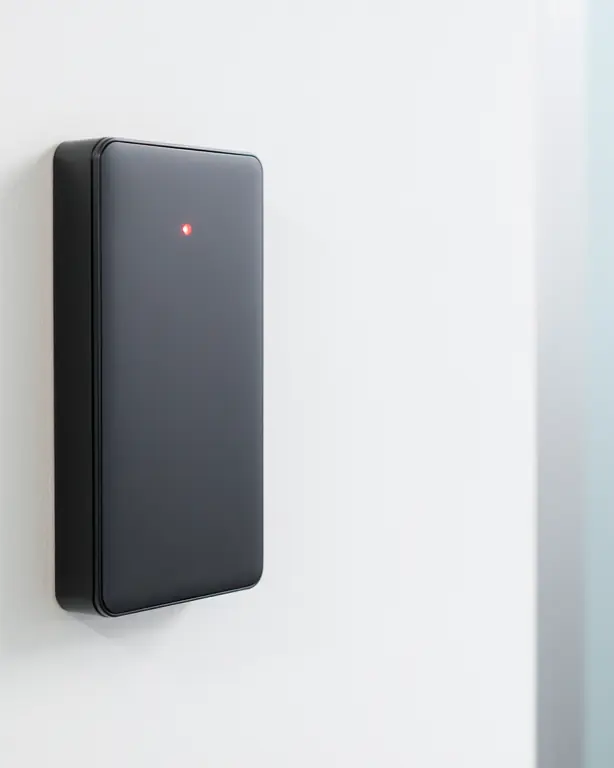
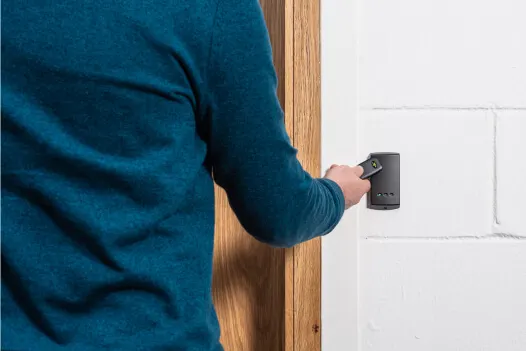
1The readerbeside the door, for a fob or a card. Each credential can be added, changed or cancelled.
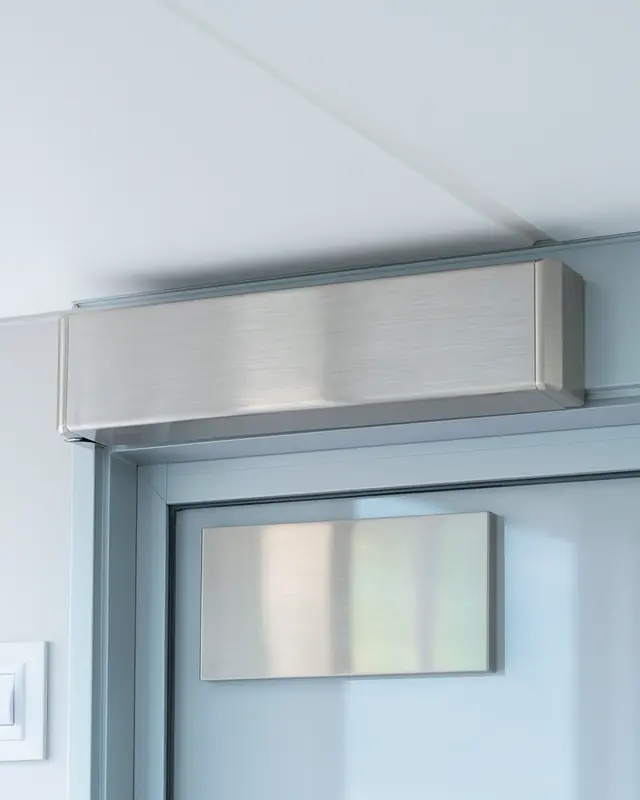
2The door releaseopens for the credentials on the system. A lost fob is cancelled, not a reason to change the locks.On an escape route, an electric lock is normally fail-safe: it unlocks if its power fails, and a green break-glass release beside the door lets people out by hand. Whether it also unlocks on the fire alarm depends on the building’s fire strategy and the BS 7273-4 category chosen. Not every door is linked.
3The recordwho went through which door and when, with permissions for each door and each person managed in one place.
4The fire alarm linkreleases the door on a fire signal only if the system is designed to. How that works.
Restricted areasstock rooms, server rooms, offices and plant rooms open only for the people who need them, which cuts the risk of theft and vandalism
A log of every entryuseful after an incident, or when an auditor or insurer asks
No rekeyingno keys to lose, copy or replace: a lost credential is simply cancelled
Several doors, one systempermissions for each door and each person, changed in one place as soon as someone joins, moves or leaves
Fobs, cards and door entry intercoms
The right way in depends on the door, how many people use it and how often access changes. A busy staff entrance, a side door used by contractors and a visitor entrance often need different answers.
Fob or card
Held up to a reader beside the door. Quick for staff, and each one can be switched off on its own.
Audio or video intercom
Visitors call from the entrance and someone inside lets them in, having seen or heard who is there.
The methods we fit: fobs, cards and door-entry intercoms from Paxton, chosen to suit the doors and how they are used.
Fire safety
Will the doors open when the fire alarm goes off?
Only if the system is designed to. Where an access-controlled door is on an escape route, the way it releases when the fire alarm activates should follow BS 7273-4, which sorts these links into Critical, Standard and Indirect categories. A door does not release on a fire signal by itself.
Because we also design and install fire alarm systems, we can look at the door release and the fire alarm together, so neither works against the other.
The fire alarm activates
A link designed in
BS 7273-4CriticalStandardIndirect
The door releases
No link designed
The door does not release on a fire signal by itself
Access control in schools
Schools usually want one controlled main entrance, staff-only areas and visitors let in only once someone has checked who they are. An intercom at reception and fobs for staff cover most of that.
Fingerprint and face recognition need extra care.
ICOBiometric data is special category data, so the ICO expects a data protection impact assessment and an alternative, such as a card or PIN, for anyone who objects.
PupilsFor pupils, the Protection of Freedoms Act 2012 requires parents to be told and to give consent first, and an alternative must be offered.
Is access control right for my business?
It earns its place when you have several doors, areas only some staff should enter, regular staff changes, or contractors who need access for a few weeks. Then keys become a cost and a risk.
Good fitoffices with restricted rooms, industrial units with stock or plant, sites with shift staff or contractors
Worth a lookentrances where visitors should be seen before they are let in
Maybe not yeta single door with a handful of trusted keyholders
It also protects what sits behind the door: stock, equipment and sensitive records. A reader on the door is a visible sign that entry is controlled.
If you have one door and three keyholders, a good lock may be all you need, and we will say so.
Access control also works alongside your other systems. Automated gates and CCTV can be part of the same set-up.
Already have a system fitted by another company? Tell us the make and we will tell you whether we can take it on.
Phone line switch-off
Some door entry systems dial out over an analogue phone line, which is due to be switched off by 31 January 2027. Read about the phone line switch-off if yours does.
Common questions
Something else? Call 0800 107 5345 or ask at your survey.
Fob, card or intercom: which suits my building?
Fobs and cards suit staff entrances, and an intercom suits doors where visitors arrive. Many buildings use both; the survey is where we work that out.
What happens when a fob is lost or someone leaves?
You cancel that credential on the system. The fob stops working and nobody needs new keys.
Can we use fingerprints for staff or pupils?
Only with care. The ICO expects a data protection impact assessment and an alternative such as a card or PIN. For pupils, parents must be told and give consent first, under the Protection of Freedoms Act 2012.
Protection doesn’t stop here.
Most buildings need more than one system. One company can install them, keep them serviced and put them right when something goes wrong.
 NO ENTRY Fire & Security