 NO ENTRY Fire & Security
Brighouse··Emergency lighting
Emergency lighting design and installation.
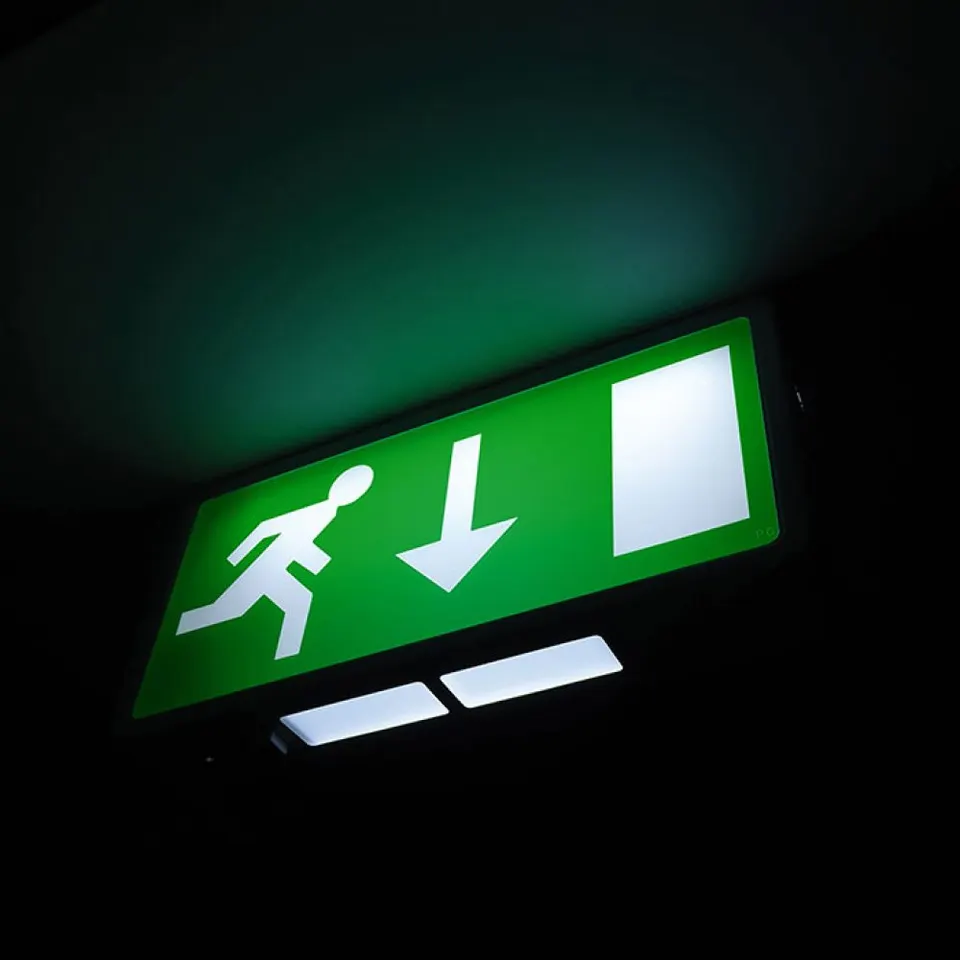
Emergency lighting that comes on by itself when the power fails, so people can find their way along escape routes, down stairwells and out through the exits.
- Since2012Established in 2012, installing and servicing ever since
- Google4.3From 17 reviews, October 2026
- Offices2Brighouse and Harrogate, working nationwide
Where emergency lighting goes
When the mains supply fails, emergency lighting comes on by itself, so people can see their way out and find the call points and fire-fighting equipment on the way.
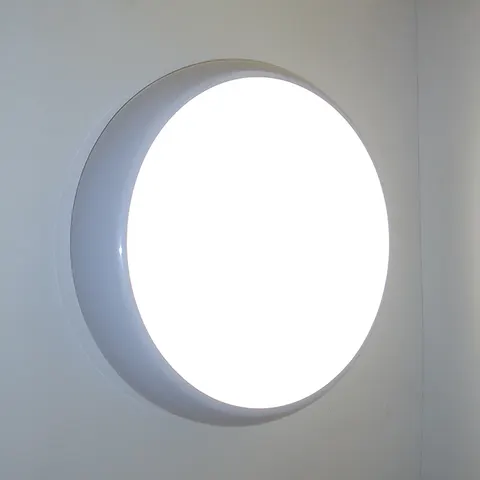
The design starts with a site survey: we walk the escape routes, find the points that need light and plan where each energy-efficient LED fitting goes. Our engineers then fix each one securely in the position the design sets.
How much a building needs comes from its fire risk assessment. If you are not sure what yours says, check with your fire risk assessor first and we will design from their findings.
Escape routes
Corridors and walkways people use to get out.
Stairwells
Stairs and landings on the way down.
Exits
The final exit doors.
Exit signs
So the way out can be read in the dark.
Maintained, non-maintained or self-test?
Which fittings suit each area depends on how the building is used and what your fire risk assessment asks for, and we will explain the choice in the design.
The three types, as a table
| Type | How it works |
|---|---|
| Maintained | Lit all the time, and stays lit on its battery when the mains fails |
| Non-maintained | Off in normal use, and comes on only when the mains fails |
| Self-test | The fitting runs its own routine tests and shows the result on its indicator |
BS 5266-1:2025
The testing you are responsible for
Emergency lighting is part of the fire safety measures the responsible person must provide and keep maintained under the Regulatory Reform (Fire Safety) Order 2005.
The current code of practice is BS 5266-1:2025, which replaced the 2016 edition in late October 2025 and widened its scope to standby and local area lighting. It applies to premises with public or communal access, including the common parts of flats, but not to private homes.
-
Every month
Flick test
WhoThe responsible person, or someone they appoint
A short test of every fitting and sign on battery. The responsible person can do it.
BS EN 50172:2024
-
Once a year
Full-duration test
WhoUsually a competent contractor
Every fitting runs on battery for its full rated duration, commonly three hours, usually done by a competent contractor.
BS EN 50172:2024
-
After every test
Records and faults
WhereThe emergency lighting logbook
Every result goes in the logbook, with each fitting identified by its location. Self-test fittings cut down manual testing, but someone still has to check and record the results.
If a fitting fails, note where it is, record it in the logbook and report the fault.
When to test
Do the tests when the building is quiet. The batteries need time to recharge afterwards, so a full-duration test just before the building fills up leaves it short of cover.
5 years at most The system’s light levels are verified at intervals of no more than five years. BS 5266-1:2025
Alongside your fire alarm
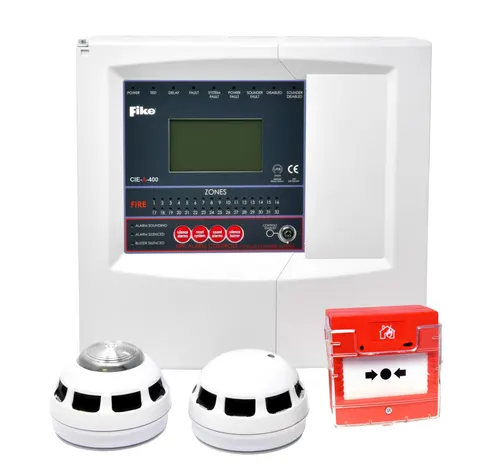
Emergency lighting and the fire alarm system protect the same escape routes, so it makes sense to plan them together.
When you arrange a fire alarm survey or service, ask us about the emergency lighting at the same time. Our servicing and maintenance page shows how often each system needs a visit.
From our offices in Brighouse and Harrogate we install and maintain systems across West Yorkshire and North Yorkshire, and for clients nationwide. We work for offices, shops, schools and industrial sites. See fire and security for businesses.
Common questions
Something else? Call 0800 107 5345 or ask at your survey.
How often should emergency lights be tested?
A short functional test of every fitting each month, and a full rated-duration test once a year. Light levels should also be verified at intervals of no more than five years. Record every result in the logbook.
What is a flick test?
A brief monthly test that switches each fitting and sign over to its battery to prove it lights. The responsible person, or someone they appoint, can do it.
Will the annual three-hour test disrupt the building?
It needs planning. The fittings run down their batteries during the test and need time to recharge, so it is best done when the building is quiet or closed.
Do I need emergency lighting in a small shop or office?
Your fire risk assessment decides. Start there, or ask your fire risk assessor, and we will design to what it asks for.
Protection doesn’t stop here.
Most buildings need more than one system. One company can install them, keep them serviced and put them right when something goes wrong.
- Fire alarmsDesign, installation, certification and servicing
- Servicing and maintenancePlanned servicing for every system we look after
- Emergency lighting faultsFaults, false alarms and repairs
- Business securityOffices, shops, schools and industrial sites
- Fire alarm checklist for businessesFrom our news and guides