 NO ENTRY Fire & Security
Brighouse··Alarm and CCTV monitoring
Alarm and CCTV monitoring.
Monitoring sends your alarm or camera signals to an alarm receiving centre we work with, 24 hours a day. The centre checks each signal and contacts the people on your call list.
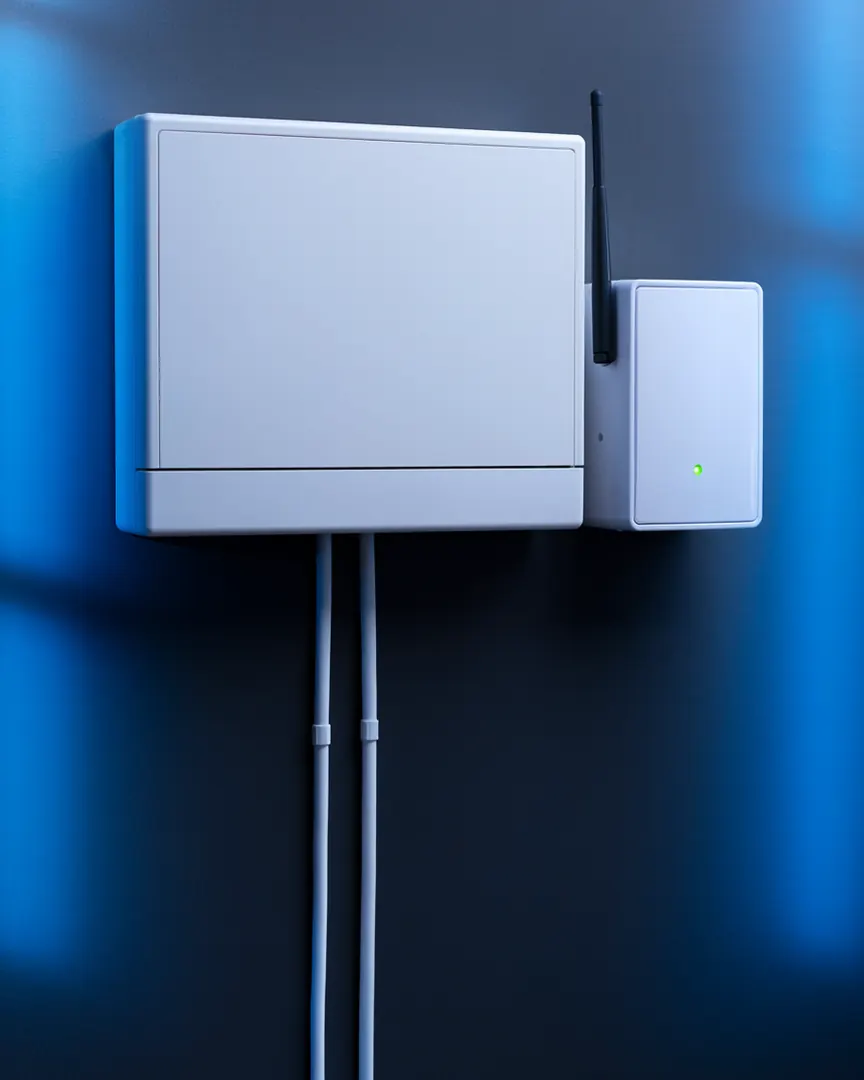
- Monitoring24/7Signals answered by an alarm receiving centre we work with
- Systems3Intruder alarms, fire alarms and CCTV
- Switch-off2027Analogue phone lines due to be switched off by 31 January 2027
- Since2012Established in 2012, installing and servicing ever since
What can be monitored
We arrange monitoring for intruder alarms, fire alarms and CCTV, through an alarm receiving centre we work with.
Each one works a little differently, so each has its own page.
-
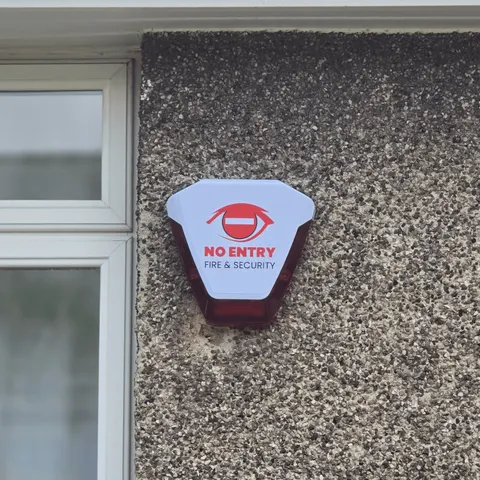
Intruder alarms
Keyholders contacted when the alarm activates, and the route to police response for systems that qualify.
-
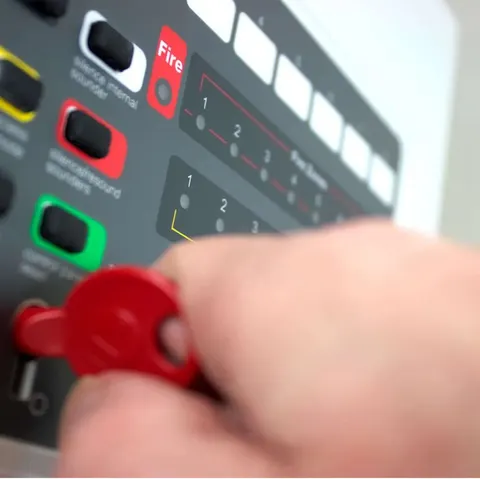
Fire alarms
Fire alarm signals passed on around the clock, and what to expect from the fire service.
-
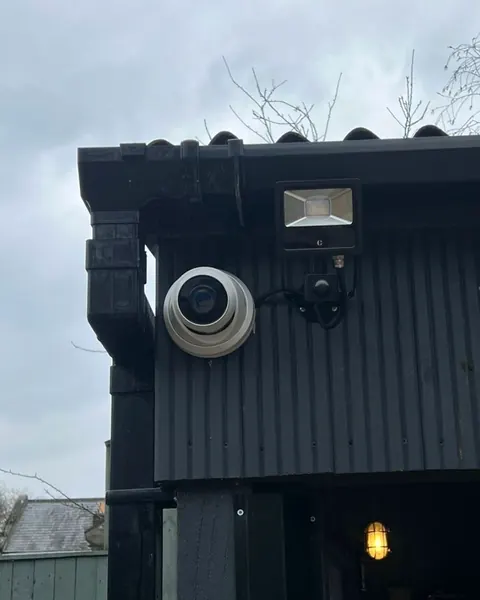
CCTV
Cameras on business premises that send alerts out of hours, while the site is empty.
What happens when your alarm is triggered
An alarm receiving centre is a staffed centre that takes signals from alarm and camera systems, 24 hours a day, 7 days a week. This is what happens when yours sends one.
Depending on your system and the instructions agreed for your site, the operator contacts you, your keyholders or on-site security, and for qualifying systems the police or fire and rescue service. Each monitoring page explains the rules for its own system.
-
01 · Your site
Your system detects something
a detector in a doorway, a smoke detector or a camera picks up activity, and the panel or recorder raises an alarm.
-
02 · Signalling
The signal is sent
over your system’s signalling connection to the alarm receiving centre.
-
03 · Alarm receiving centre
An operator checks it
what kind of signal it is, where in the building it came from, and whether it is one alarm or several.
-
04 · Your call list
The right people are contacted
the operator follows the instructions agreed for your site and contacts the people on your call list.
Who monitors your alarm
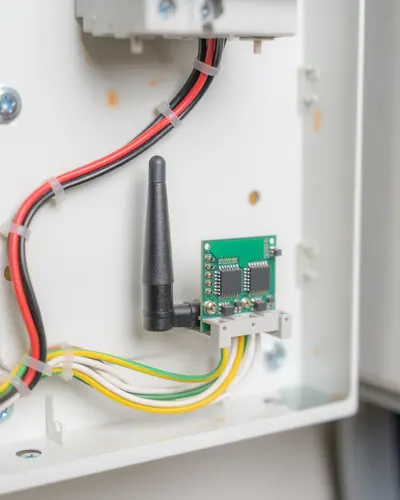
The monitoring itself is done by an alarm receiving centre we work with. We do not run our own control room.
- No Entrydesigns, installs, connects, services and repairs the system
- The alarm receiving centreanswers signals 24/7 and contacts your call list
- Youkeep your keyholders and contact details current, and tell us when they change
Our part is the system: we install it, connect it to the receiving centre, service it and repair it. Your part is the call list, which needs to stay up to date.
If your system develops a fault, call 0800 107 5345 or use the fault form.
Phone line switch-off
The phone line switch-off: 31 January 2027
The UK’s analogue phone network (the PSTN), which carries calls over the old copper lines, is due to be switched off by 31 January 2027.
Many alarms and monitoring links still send their signals down one of those lines. When the line goes, those signals stop. The alarm may still sound on site, but the receiving centre will not hear about it.
Older diallers and some older alarm panels are the ones at risk. The usual replacement is dual-path signalling: the signal travels over an internet connection and over a 4G or 5G mobile network, so if one path fails the other still gets through. How well it does that depends on the system design. If you are responsible for a building, ask your alarm and monitoring company now how your system will keep signalling after the deadline.
We can check how your system signals today and tell you what it needs before the switch-off, whether we fitted it or not.
BeforeOld copper connection
When the line goes, those signals stop.
AfterModern dual-path signalling
If one path fails, the other can keep signalling, subject to the system design.
Before 31 January 2027Four steps, in order
- Find out how your system signalsif your panel plugs into a phone socket, or you are not sure, assume it needs checking.
- Ask whether that connection survives the switch-offwhoever maintains the system should be able to tell you.
- Upgrade before the deadlineleaving time to test the new connection with the receiving centre.
- Tell your insurerinsurers expect to hear when the way your alarm signals changes.
Choosing a level
Bells-only, app alerts or monitored
Not every system needs monitoring. The right level depends on whether someone is nearby to act, what your insurer asks for, and how long the building stands empty.
-
Bells-only
Who hears: anyone on siteWhat happens when it activatesThe sounder goes off on site. Nobody is told unless someone hears it.
Worth considering whenSomeone is usually close enough to hear it and act
-
App alerts
Who hears: you, on your phoneWhat happens when it activatesYou get a notification on your phone and decide what to do.
Worth considering whenYou want to know straight away and can respond yourself
-
Monitored
Who hears: the receiving centre, then your call listWhat happens when it activatesAn alarm receiving centre we work with checks the signal and contacts your call list, day or night.
Worth considering whenThe building is often empty, or your insurer requires it
App alerts are useful, but they are not the same as monitoring. Nobody else sees the alert, and an alarm without monitoring cannot get police response.
Any level, kept working
Whichever you choose, a system only works if it is looked after. See servicing and maintenance, or if something is not working now, report a fault. To add monitoring to a new system, start with intruder alarms, fire alarms or CCTV.
Common questions
Something else? Call 0800 107 5345.
Who actually monitors my alarm?
An alarm receiving centre we work with. Its operators answer signals 24 hours a day and contact the people on your call list. We install, connect and maintain the system.
Can you monitor an alarm another company fitted?
Often, yes. Tell us the make of panel and how it connects now, and we will tell you whether we can take it on and connect it to monitoring.
Does monitoring mean the police will come?
Not automatically. Police response is only available for qualifying monitored intruder alarms with a police reference number, and it depends on demand. Fire alarms and CCTV follow different rules. Each monitoring page explains its own.
What does monitoring cost?
It depends on the system, how it signals and what you want the receiving centre to do. We quote after we have seen your system or your plans.
Protection doesn’t stop here.
Most buildings need more than one system. One company can install them, keep them serviced and put them right when something goes wrong.
- Intruder alarm monitoringYour keyholders contacted when the alarm activates
- Fire alarm monitoringFire alarm signals answered day and night
- CCTV monitoringMonitored cameras for premises that are closed
- Servicing and maintenancePlanned servicing for every system we look after
- RepairsFaults, false alarms and repairs